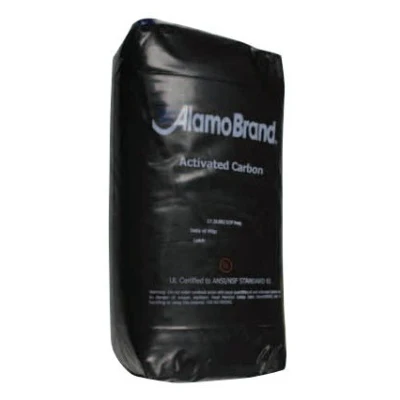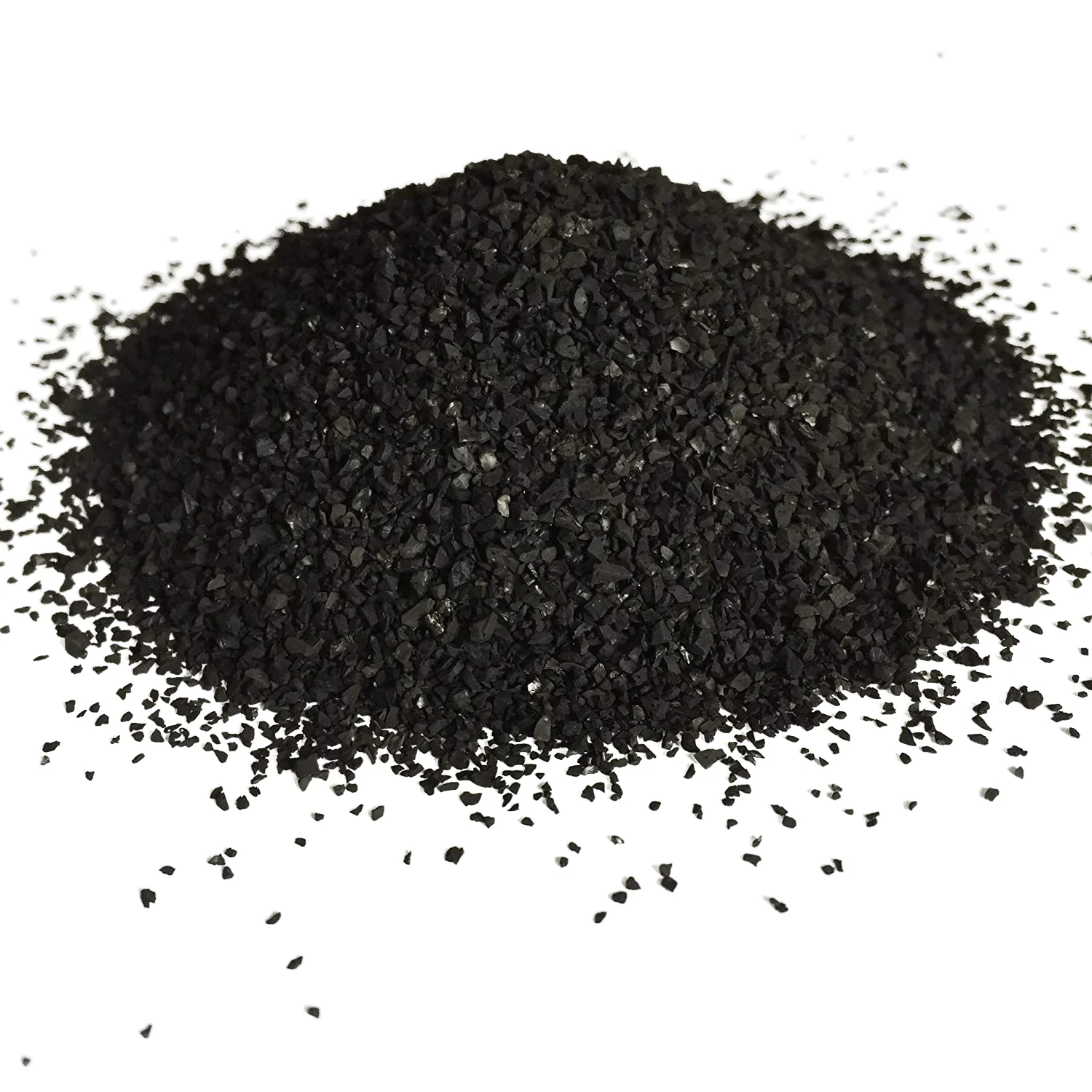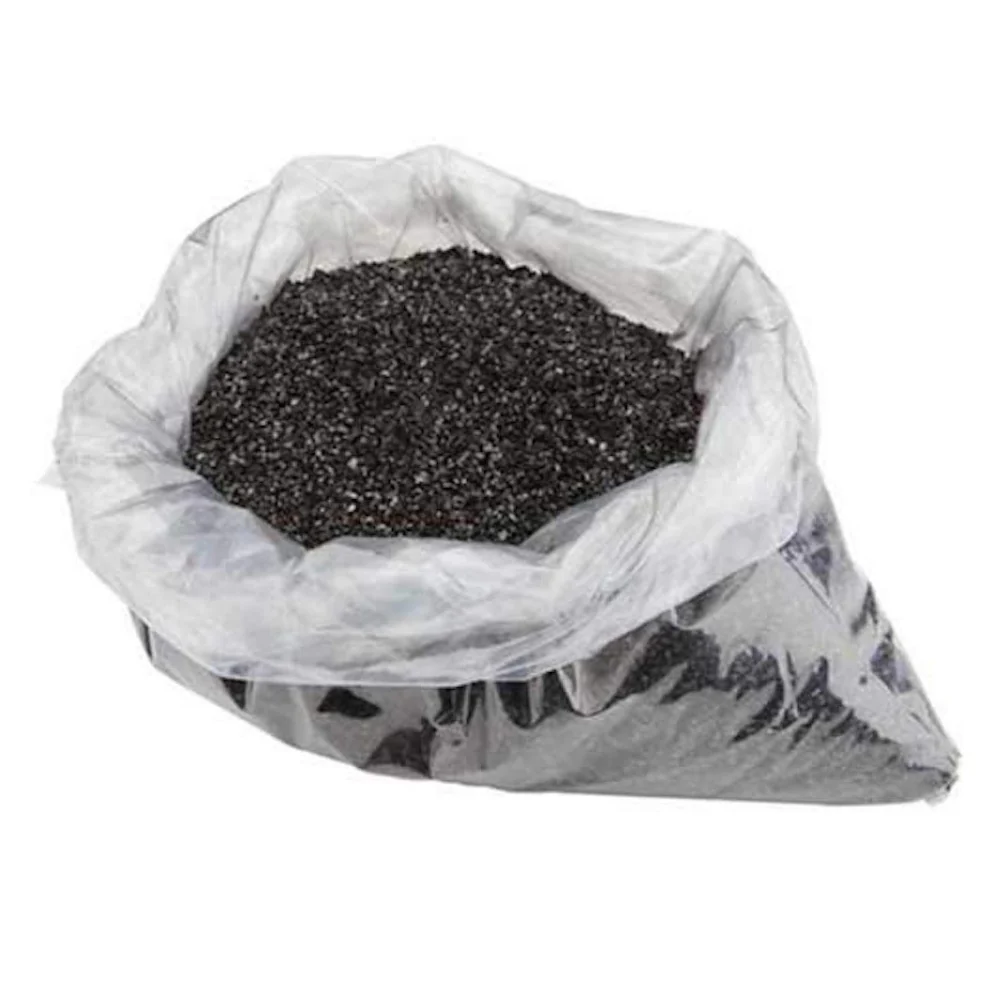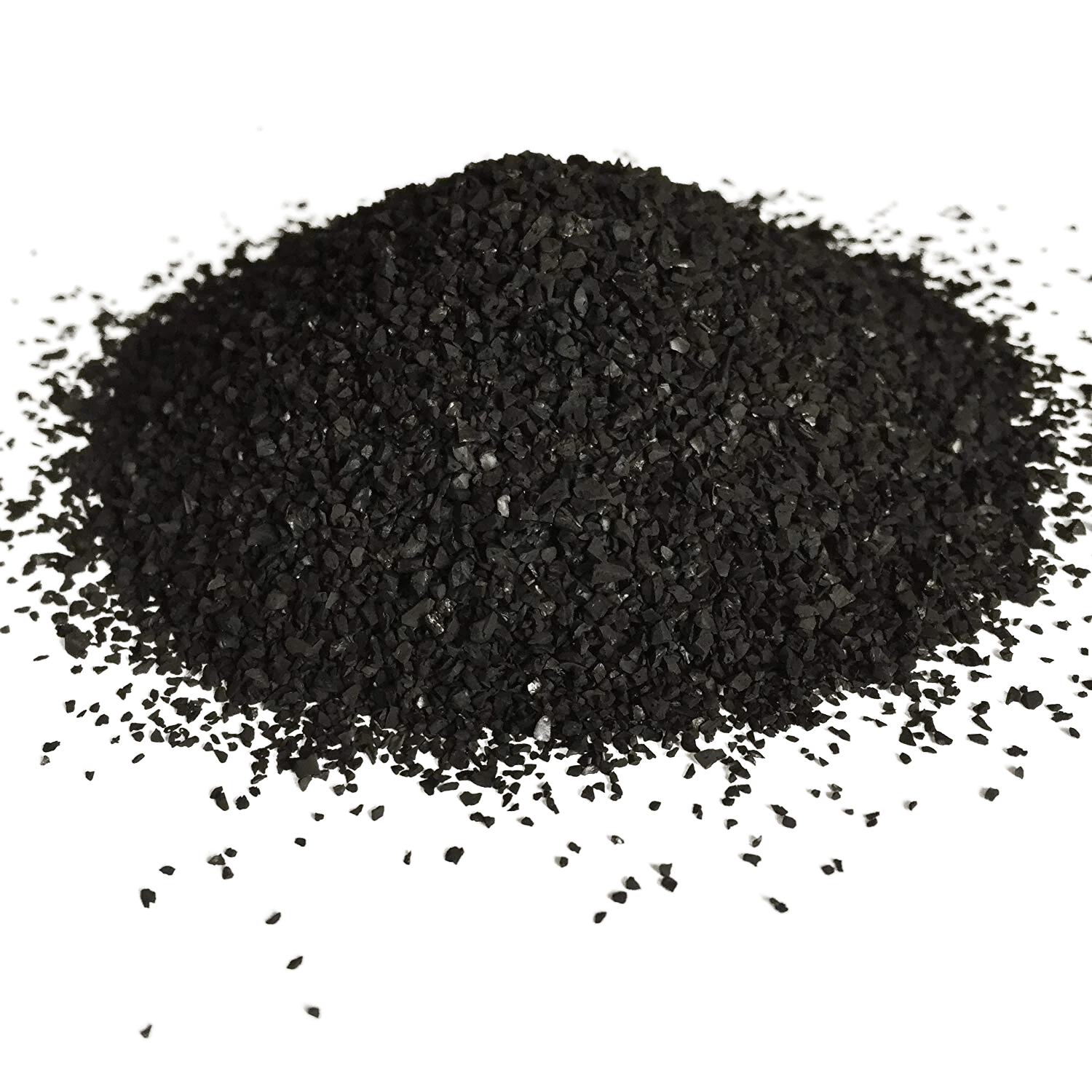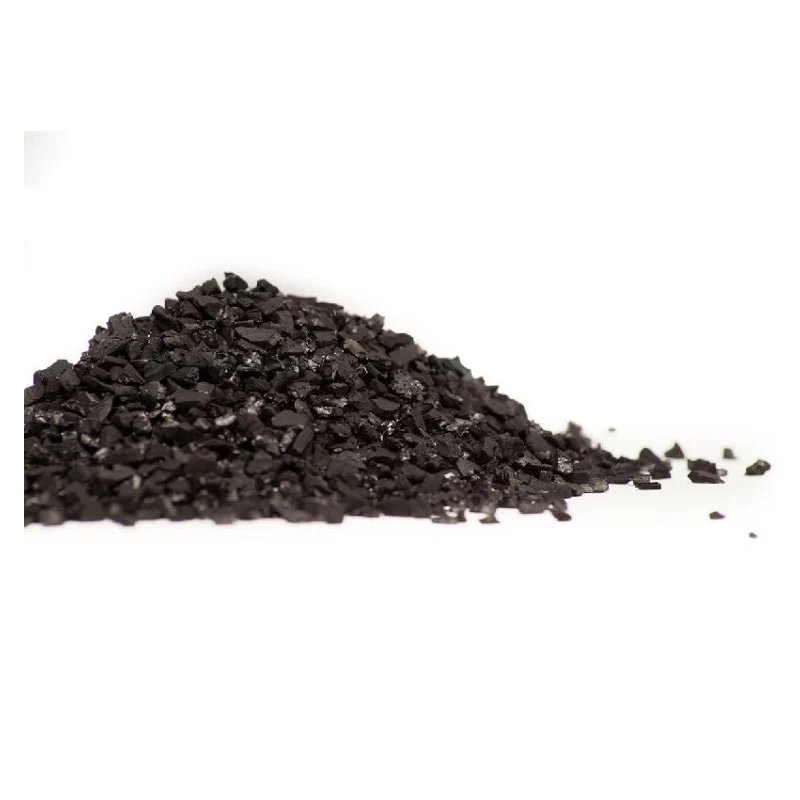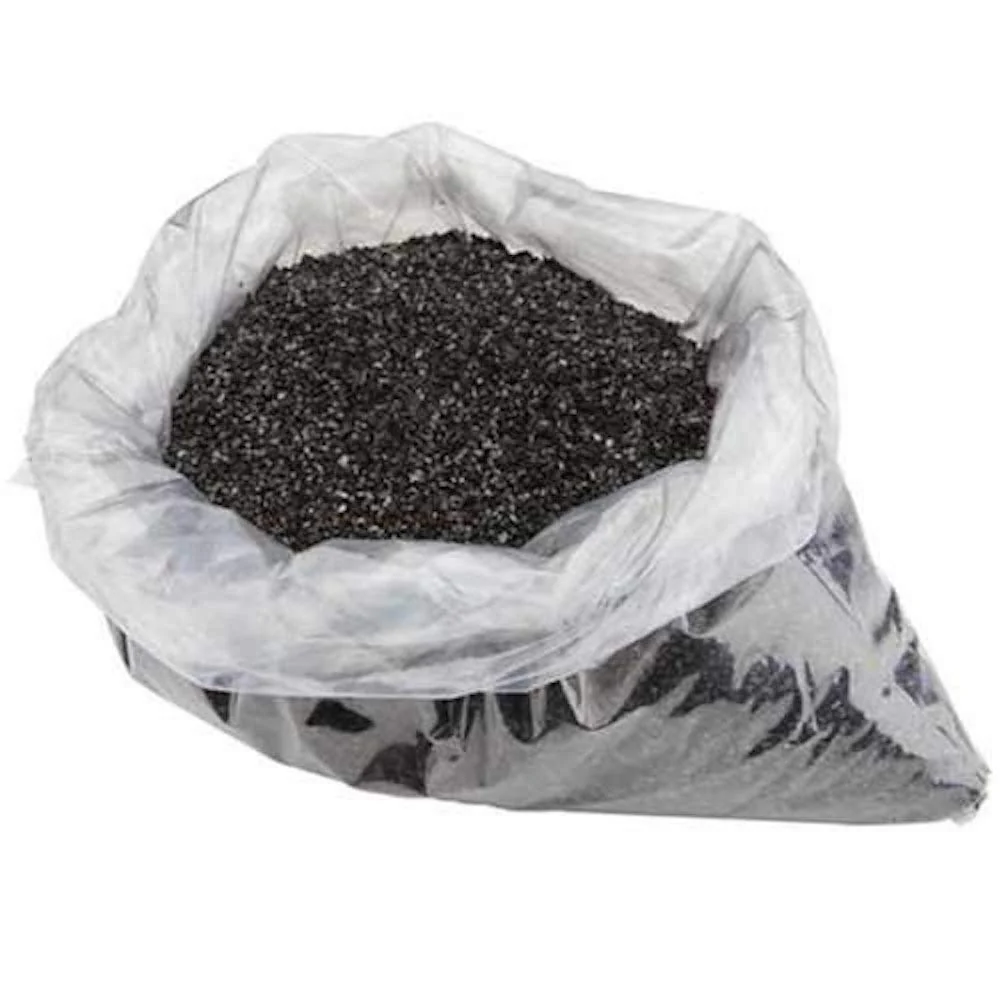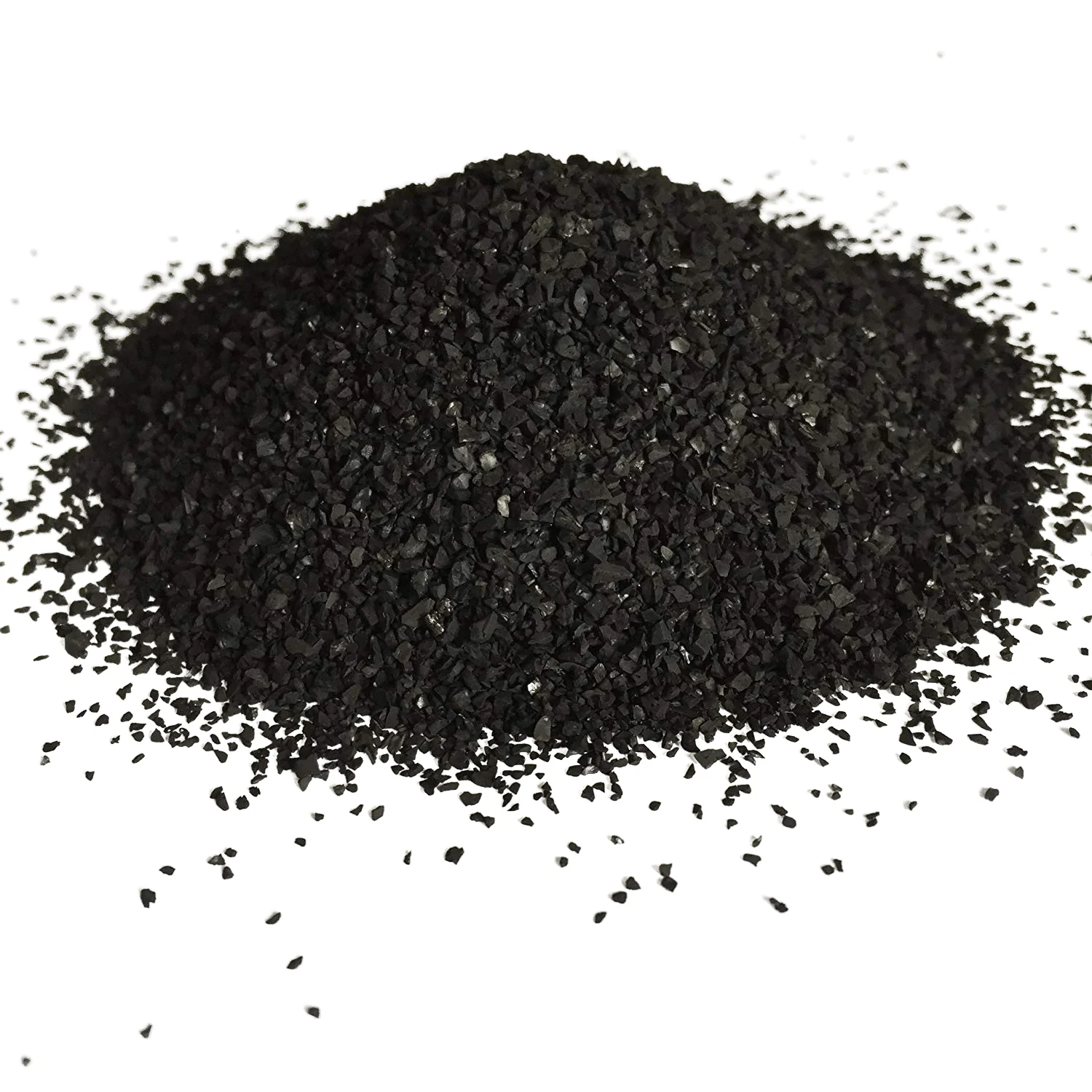
Alamo (A8056-AL) Catalytic Granular Activated Carbon 1 Cubic Foot Bag
Alamo A8056-AL Catalytic Coconut Shell GAC
The Alamo A8056-AL is a catalytic granular activated carbon derived from select coconut shell charcoal, manufactured by Watts for applications where chloramine and hydrogen sulfide removal are critical. Its extensive micropore structure targets low molecular weight organics and disinfection byproducts including chloroform and trihalomethanes, while superior mechanical hardness and extensive dedusting ensure clean, low-turbidity filtered water from the first gallon.
Technical Data
| Model Number | A8056-AL |
| Manufacturer | Watts |
| Material Type | Catalytic coconut shell GAC |
| Activation Method | Steam activation |
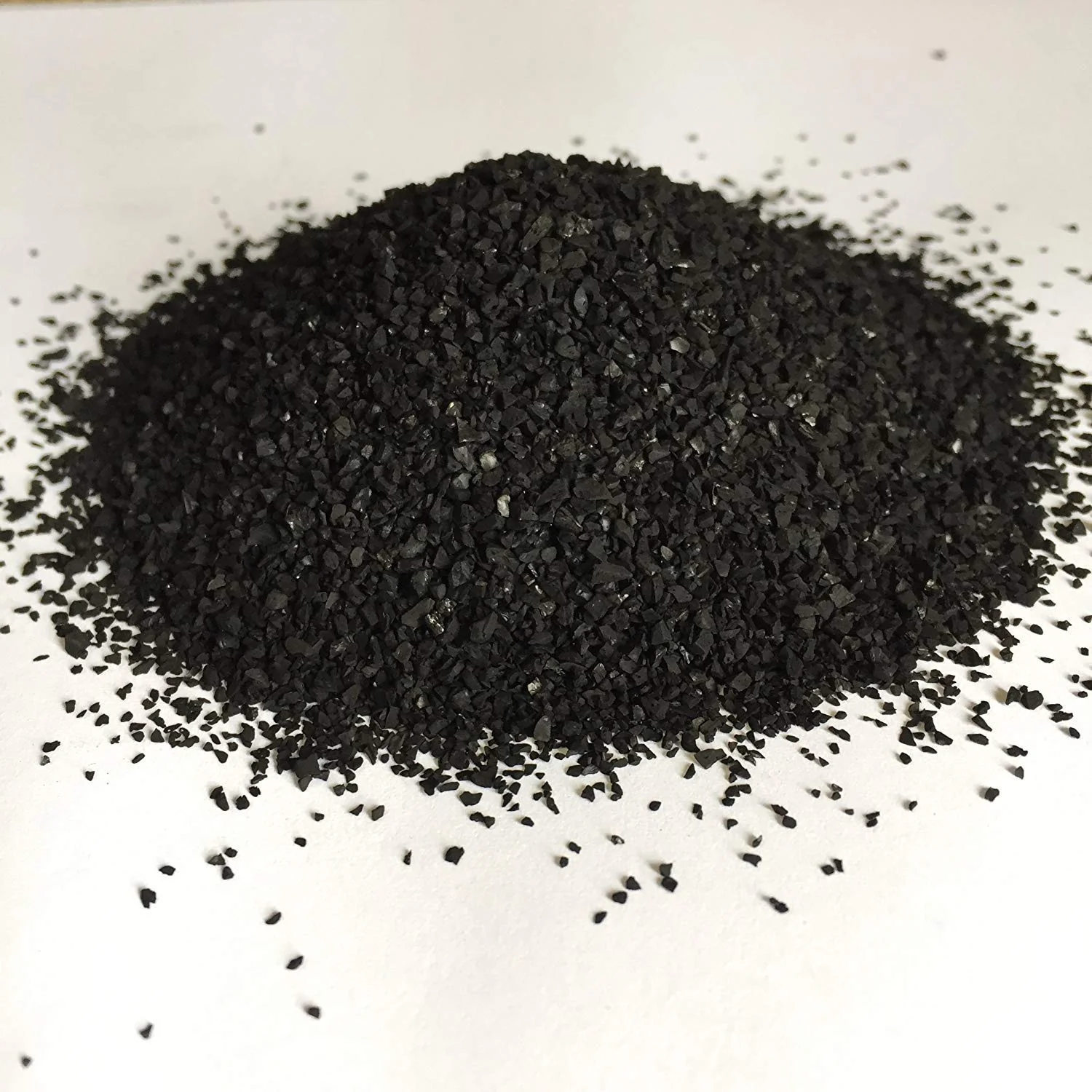
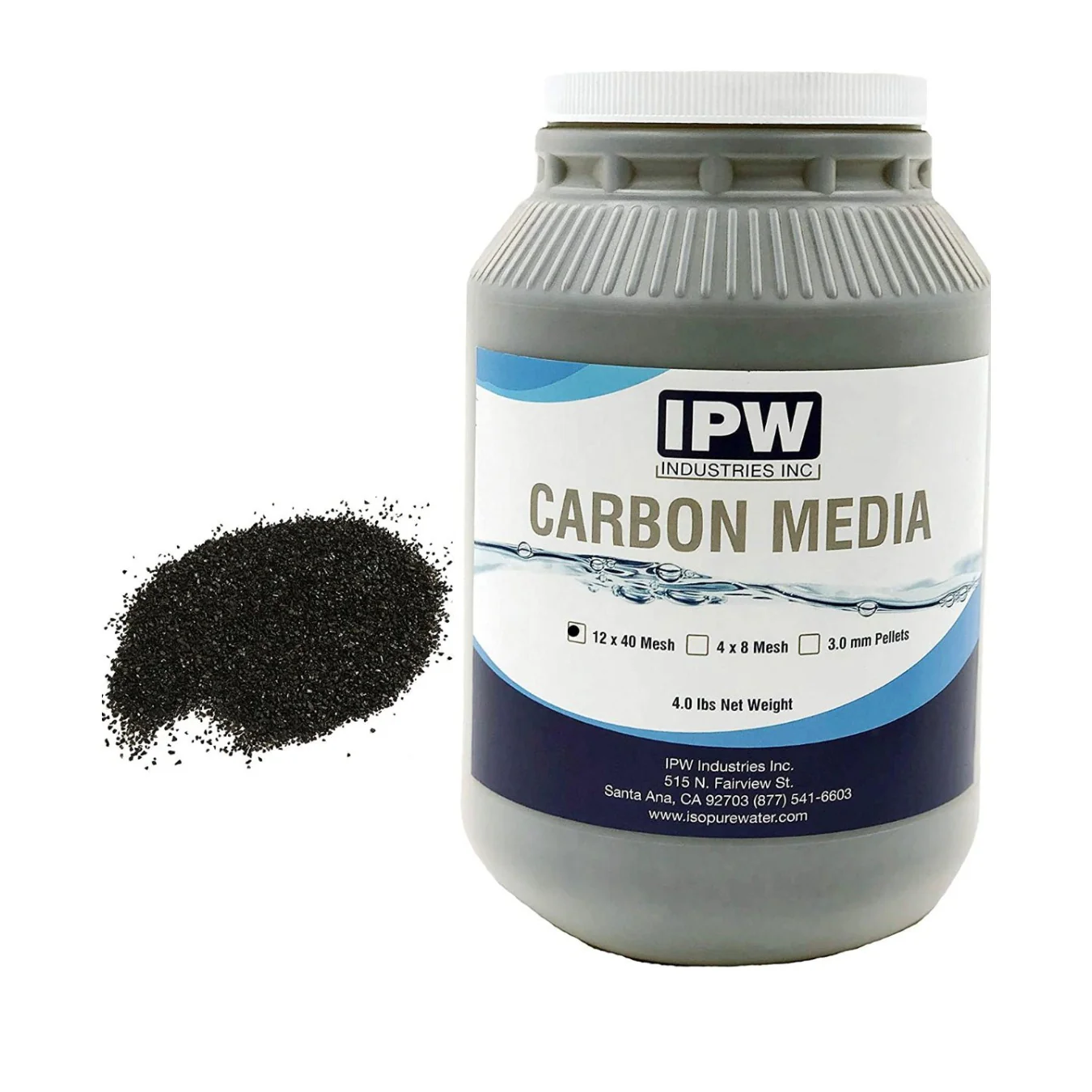
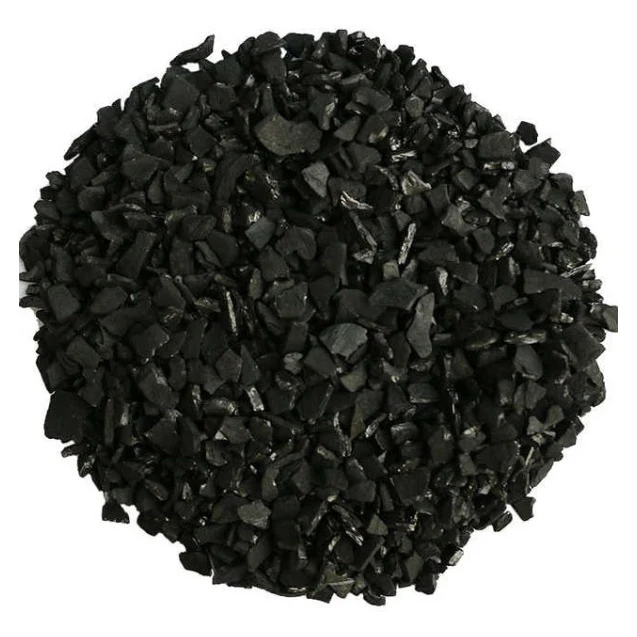
| Particle Size | 12x40 mesh (0.425–1.70 mm) |
| Package Size | 1 cubic foot bag |
| Target Contaminants | Chloramines, hydrogen sulfide, chlorine, THMs, chloroform |
| Pore Structure | Large micropore volume |
| Hardness | Maximum mechanical hardness |
| Dust Level | Extensively dedust, low turbidity output |
Why Catalytic Coconut Carbon
Standard activated carbons reduce free chlorine through simple adsorption, but chloramines require catalytic activity to break the chlorine-ammonia bond. The Alamo A8056-AL provides that catalytic surface, converting chloramines to chloride and ammonia, then adsorbing both. Coconut shell carbon offers higher micropore density than coal-based alternatives, meaning more surface area per cubic foot and longer service life for organic contaminant removal. The 12x40 mesh size balances contact time with pressure drop, suitable for whole-house flow rates without excessive headloss. Low dust content means minimal fines migration and clear filtered water immediately after backwash or initial startup.
Applications and System Integration
The Alamo A8056-AL catalytic GAC is designed for residential point-of-entry whole-house systems and point-of-use undercounter or countertop filters where chloramine removal is required. It protects downstream ion exchange resins in water softeners and mixed-bed deionizers from oxidative damage caused by chloramines. Common in beverage production, coffee and tea brewing systems, and aquarium filtration where chlorine and chloramine must be eliminated. Compatible with standard upflow or downflow carbon tank configurations, typically installed in 9-inch to 13-inch diameter mineral tanks with appropriate underbedding and distributor systems. Backwash as needed to prevent channeling and maintain contact efficiency. This media is also cross-referenced as equivalent to Jacobi Aquasor CX-MCA catalytic coconut carbon for specification and replacement purposes.
Alamo A8056-AL Catalytic Coconut Shell GAC
The Alamo A8056-AL is a catalytic granular activated carbon derived from select coconut shell charcoal, manufactured by Watts for applications where chloramine and hydrogen sulfide removal are critical. Its extensive micropore structure targets low molecular weight organics and disinfection byproducts including chloroform and trihalomethanes, while superior mechanical hardness and extensive dedusting ensure clean, low-turbidity filtered water from the first gallon.
Technical Data
| Model Number | A8056-AL |
| Manufacturer | Watts |
| Material Type | Catalytic coconut shell GAC |
| Activation Method | Steam activation |
| Particle Size | 12x40 mesh (0.425–1.70 mm) |
| Package Size | 1 cubic foot bag |
| Target Contaminants | Chloramines, hydrogen sulfide, chlorine, THMs, chloroform |
| Pore Structure | Large micropore volume |
| Hardness | Maximum mechanical hardness |
| Dust Level | Extensively dedust, low turbidity output |
Why Catalytic Coconut Carbon
Standard activated carbons reduce free chlorine through simple adsorption, but chloramines require catalytic activity to break the chlorine-ammonia bond. The Alamo A8056-AL provides that catalytic surface, converting chloramines to chloride and ammonia, then adsorbing both. Coconut shell carbon offers higher micropore density than coal-based alternatives, meaning more surface area per cubic foot and longer service life for organic contaminant removal. The 12x40 mesh size balances contact time with pressure drop, suitable for whole-house flow rates without excessive headloss. Low dust content means minimal fines migration and clear filtered water immediately after backwash or initial startup.
Applications and System Integration
The Alamo A8056-AL catalytic GAC is designed for residential point-of-entry whole-house systems and point-of-use undercounter or countertop filters where chloramine removal is required. It protects downstream ion exchange resins in water softeners and mixed-bed deionizers from oxidative damage caused by chloramines. Common in beverage production, coffee and tea brewing systems, and aquarium filtration where chlorine and chloramine must be eliminated. Compatible with standard upflow or downflow carbon tank configurations, typically installed in 9-inch to 13-inch diameter mineral tanks with appropriate underbedding and distributor systems. Backwash as needed to prevent channeling and maintain contact efficiency. This media is also cross-referenced as equivalent to Jacobi Aquasor CX-MCA catalytic coconut carbon for specification and replacement purposes.
Original: $367.02
-65%$367.02
$128.46Description
Alamo A8056-AL Catalytic Coconut Shell GAC
The Alamo A8056-AL is a catalytic granular activated carbon derived from select coconut shell charcoal, manufactured by Watts for applications where chloramine and hydrogen sulfide removal are critical. Its extensive micropore structure targets low molecular weight organics and disinfection byproducts including chloroform and trihalomethanes, while superior mechanical hardness and extensive dedusting ensure clean, low-turbidity filtered water from the first gallon.
Technical Data
| Model Number | A8056-AL |
| Manufacturer | Watts |
| Material Type | Catalytic coconut shell GAC |
| Activation Method | Steam activation |
| Particle Size | 12x40 mesh (0.425–1.70 mm) |
| Package Size | 1 cubic foot bag |
| Target Contaminants | Chloramines, hydrogen sulfide, chlorine, THMs, chloroform |
| Pore Structure | Large micropore volume |
| Hardness | Maximum mechanical hardness |
| Dust Level | Extensively dedust, low turbidity output |
Why Catalytic Coconut Carbon
Standard activated carbons reduce free chlorine through simple adsorption, but chloramines require catalytic activity to break the chlorine-ammonia bond. The Alamo A8056-AL provides that catalytic surface, converting chloramines to chloride and ammonia, then adsorbing both. Coconut shell carbon offers higher micropore density than coal-based alternatives, meaning more surface area per cubic foot and longer service life for organic contaminant removal. The 12x40 mesh size balances contact time with pressure drop, suitable for whole-house flow rates without excessive headloss. Low dust content means minimal fines migration and clear filtered water immediately after backwash or initial startup.
Applications and System Integration
The Alamo A8056-AL catalytic GAC is designed for residential point-of-entry whole-house systems and point-of-use undercounter or countertop filters where chloramine removal is required. It protects downstream ion exchange resins in water softeners and mixed-bed deionizers from oxidative damage caused by chloramines. Common in beverage production, coffee and tea brewing systems, and aquarium filtration where chlorine and chloramine must be eliminated. Compatible with standard upflow or downflow carbon tank configurations, typically installed in 9-inch to 13-inch diameter mineral tanks with appropriate underbedding and distributor systems. Backwash as needed to prevent channeling and maintain contact efficiency. This media is also cross-referenced as equivalent to Jacobi Aquasor CX-MCA catalytic coconut carbon for specification and replacement purposes.