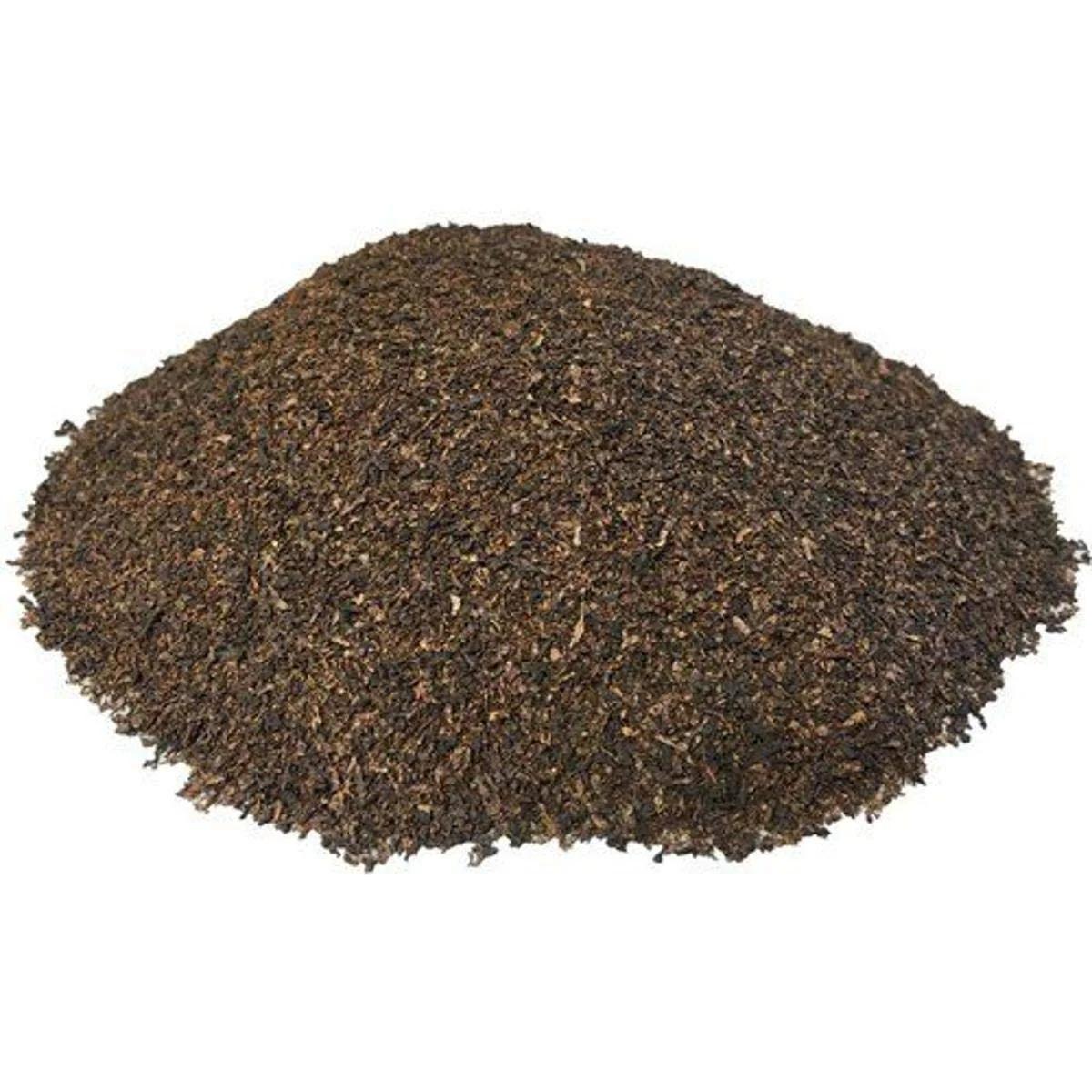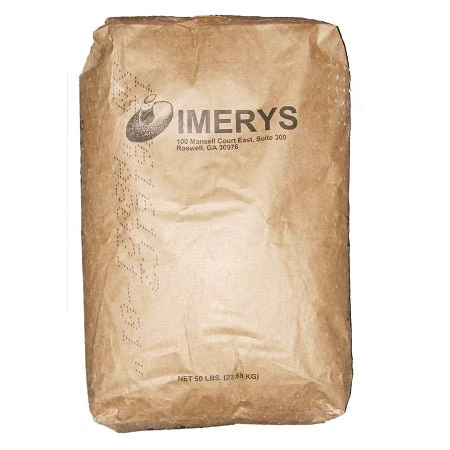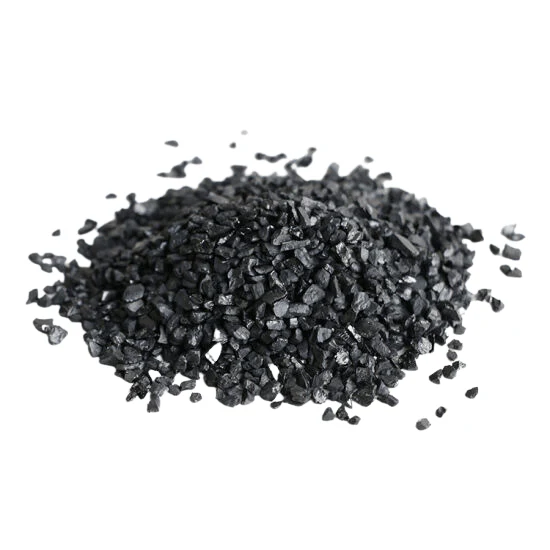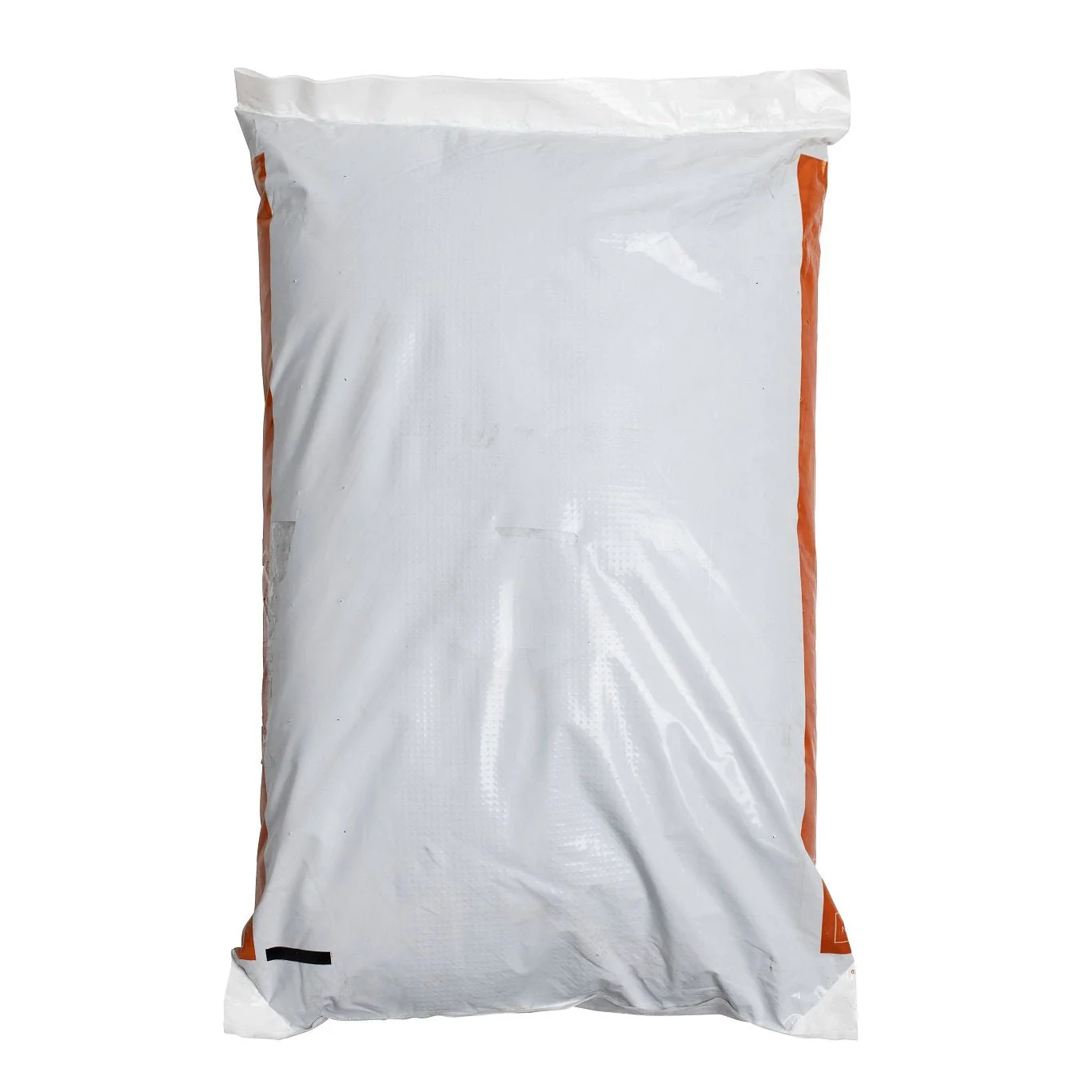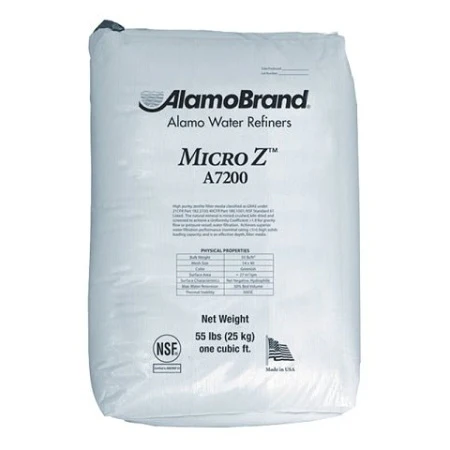
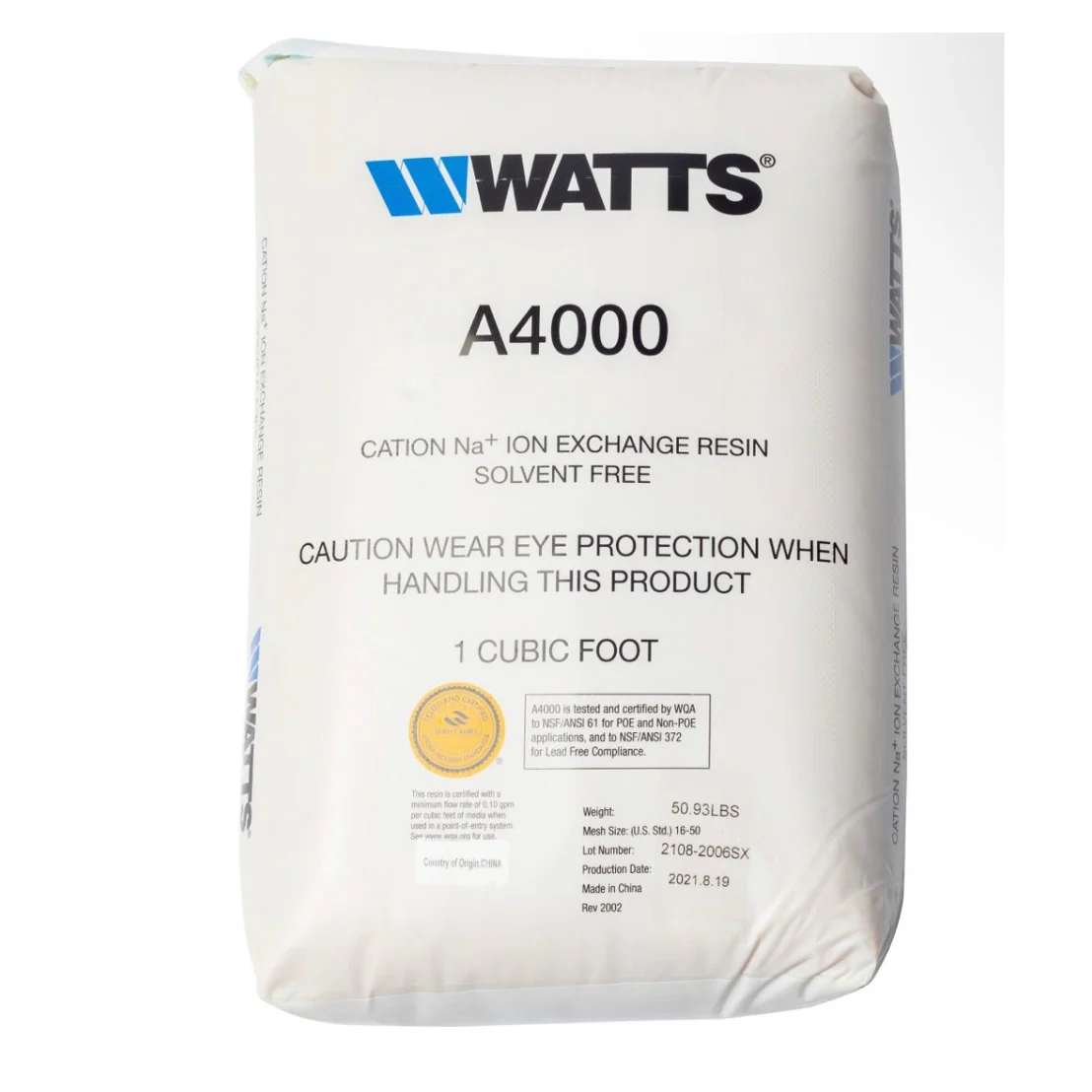
Alamo Brand (A4000) Cation Water Softening Resin 1 CF Bag
Technical Details
| Model Number | A4000 |
| Resin Type | Cation exchange, polystyrene |
| Mesh Size | 16 x 40 (16 x 50 bead size) |
| Volume | 1 cubic foot bag |
| Ionic Form | Sodium (pre-charged) |
| Cross-linkage | 8% divinylbenzene (DVB) |
| Color | Blonde (low pigment leaching) |
| Certification | NSF/ANSI 61 via WQA |
Resin Replacement Procedure
- Shut off water supply and depressurize the softener tank. Remove control valve and riser tube assembly.
- Extract old resin using a wet vacuum or by inverting the tank. Rinse tank thoroughly to remove any residual beads or sediment.
- Pour new A4000 resin slowly into the tank using a funnel to prevent dust and ensure even distribution. Reinstall riser tube and control valve.
- Run a complete regeneration cycle with salt to properly charge the resin bed before placing system back into service.
Application Range
The Watts A4000 resin works with most standard residential and commercial water softener systems that use cation exchange technology. Suitable for municipal and well water applications where hardness removal is required. The 8% DVB cross-linkage provides enhanced durability against physical breakdown and osmotic shock. Not recommended for iron removal or high-temperature applications above 120°F without consulting manufacturer guidelines. One cubic foot treats approximately 30,000 grains of hardness between regeneration cycles under typical operating conditions.
Technical Details
| Model Number | A4000 |
| Resin Type | Cation exchange, polystyrene |
| Mesh Size | 16 x 40 (16 x 50 bead size) |
| Volume | 1 cubic foot bag |
| Ionic Form | Sodium (pre-charged) |
| Cross-linkage | 8% divinylbenzene (DVB) |
| Color | Blonde (low pigment leaching) |
| Certification | NSF/ANSI 61 via WQA |
Resin Replacement Procedure
- Shut off water supply and depressurize the softener tank. Remove control valve and riser tube assembly.
- Extract old resin using a wet vacuum or by inverting the tank. Rinse tank thoroughly to remove any residual beads or sediment.
- Pour new A4000 resin slowly into the tank using a funnel to prevent dust and ensure even distribution. Reinstall riser tube and control valve.
- Run a complete regeneration cycle with salt to properly charge the resin bed before placing system back into service.
Application Range
The Watts A4000 resin works with most standard residential and commercial water softener systems that use cation exchange technology. Suitable for municipal and well water applications where hardness removal is required. The 8% DVB cross-linkage provides enhanced durability against physical breakdown and osmotic shock. Not recommended for iron removal or high-temperature applications above 120°F without consulting manufacturer guidelines. One cubic foot treats approximately 30,000 grains of hardness between regeneration cycles under typical operating conditions.
Description
Technical Details
| Model Number | A4000 |
| Resin Type | Cation exchange, polystyrene |
| Mesh Size | 16 x 40 (16 x 50 bead size) |
| Volume | 1 cubic foot bag |
| Ionic Form | Sodium (pre-charged) |
| Cross-linkage | 8% divinylbenzene (DVB) |
| Color | Blonde (low pigment leaching) |
| Certification | NSF/ANSI 61 via WQA |
Resin Replacement Procedure
- Shut off water supply and depressurize the softener tank. Remove control valve and riser tube assembly.
- Extract old resin using a wet vacuum or by inverting the tank. Rinse tank thoroughly to remove any residual beads or sediment.
- Pour new A4000 resin slowly into the tank using a funnel to prevent dust and ensure even distribution. Reinstall riser tube and control valve.
- Run a complete regeneration cycle with salt to properly charge the resin bed before placing system back into service.
Application Range
The Watts A4000 resin works with most standard residential and commercial water softener systems that use cation exchange technology. Suitable for municipal and well water applications where hardness removal is required. The 8% DVB cross-linkage provides enhanced durability against physical breakdown and osmotic shock. Not recommended for iron removal or high-temperature applications above 120°F without consulting manufacturer guidelines. One cubic foot treats approximately 30,000 grains of hardness between regeneration cycles under typical operating conditions.