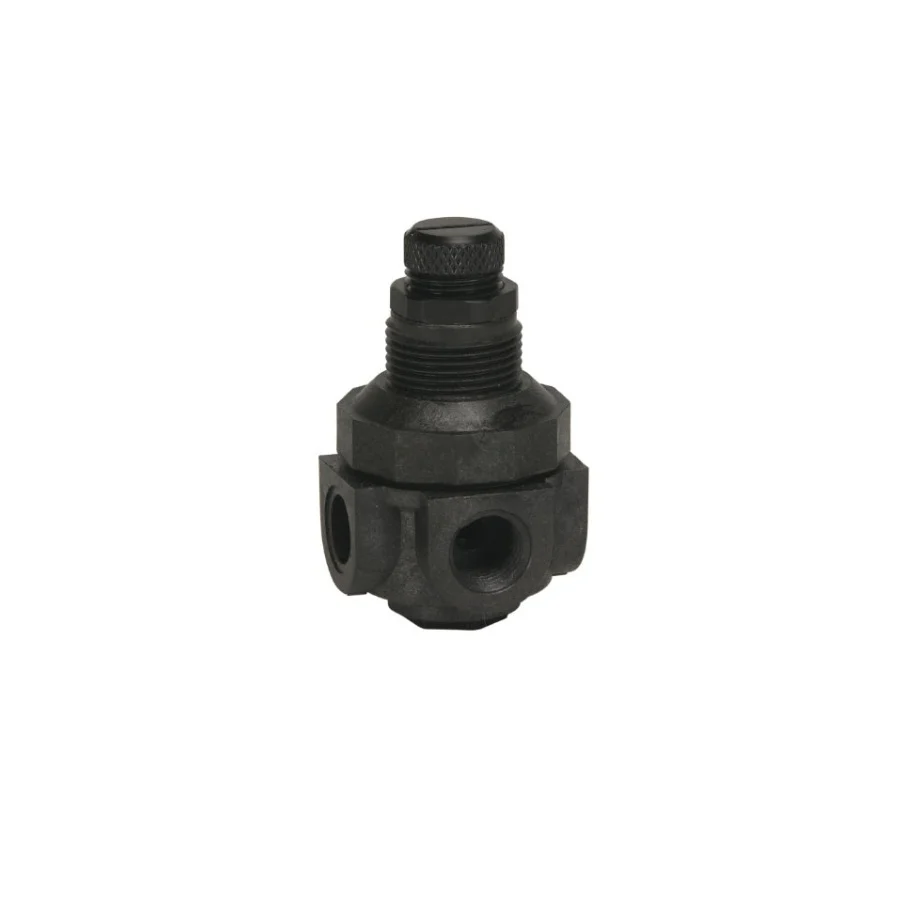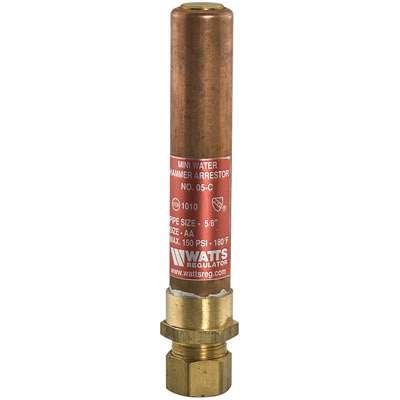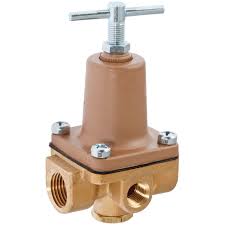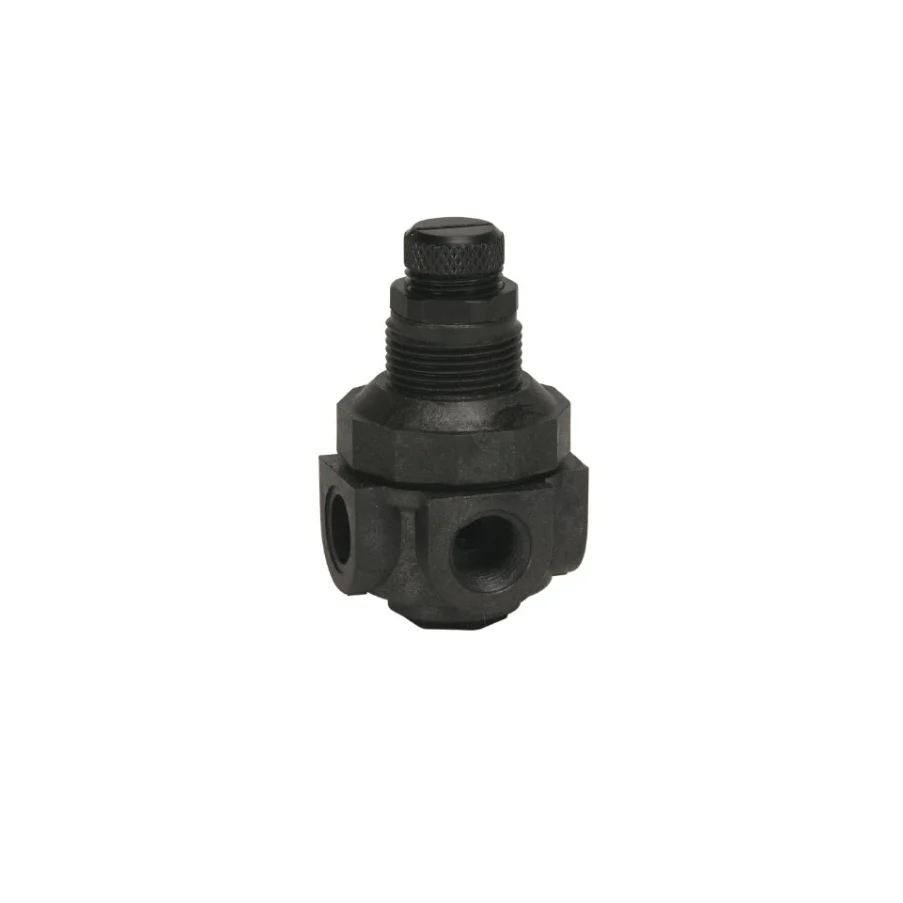
Watts LF5300A 1/2" Lead-Free Bypass Relief Valve (0–250 PSI)
Watts LF5300A Technical Details
| Model Number | Watts LF5300A |
| Size | 1/2 inch NPT |
| Pressure Range | 0–250 PSI |
| Construction | Lead-free brass body |
| Valve Type | Poppet-style spring-loaded relief |
| Seat Material | Soft-seated PTFE (Teflon) disc |
| Connections | Male NPT inlet / Female NPT outlet |
| Application | Positive pressure pump systems, water pressure relief |
Setup and Pressure Adjustment
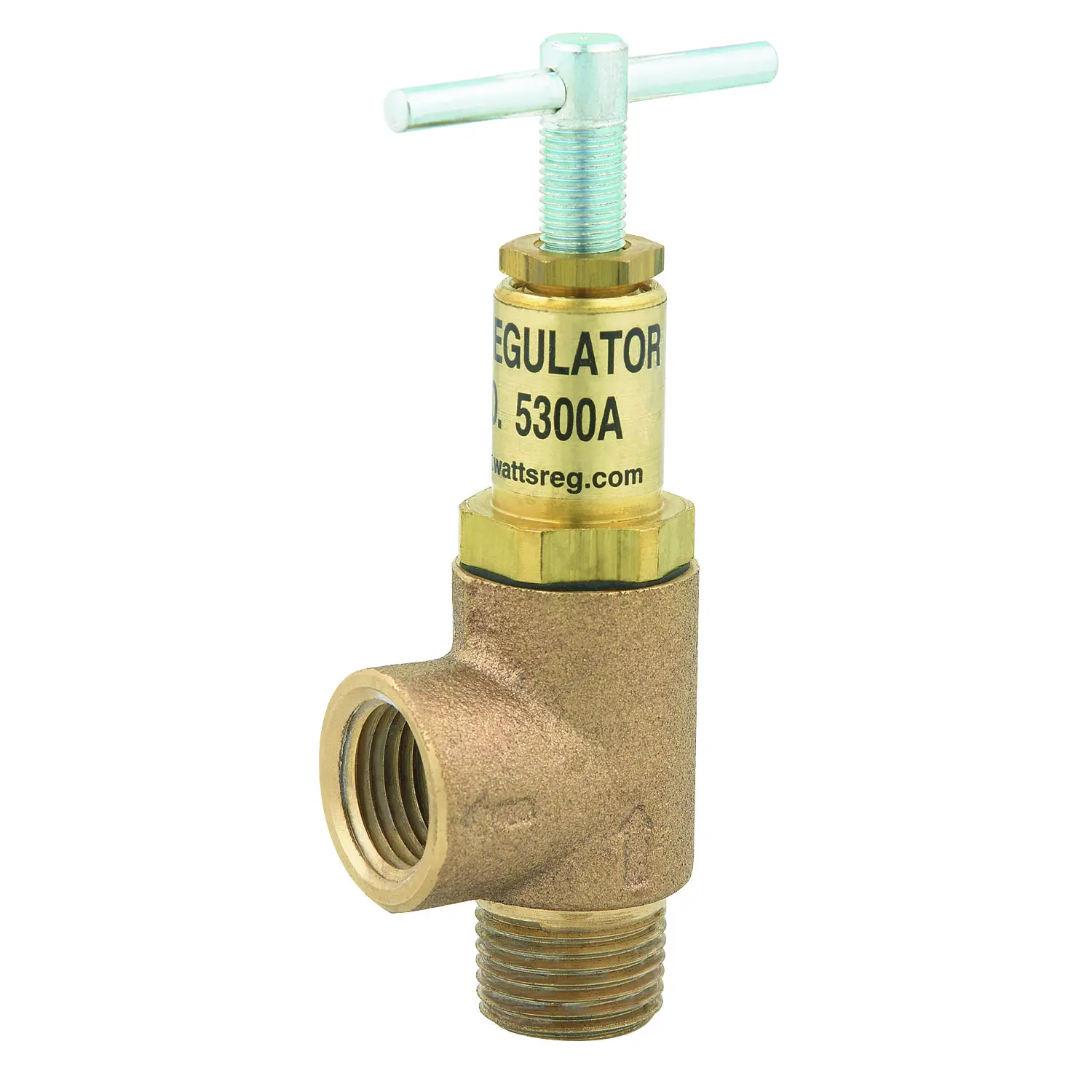
- Install the Watts LF5300A inline with male NPT inlet connected to supply and female NPT outlet routed back to source line or tank
- Use Teflon tape or pipe dope on all threaded connections and tighten securely to prevent leaks
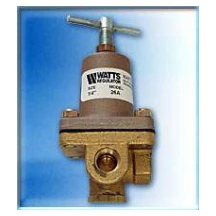
- Adjust the relief pressure using the tee handle: turn clockwise to increase pressure setpoint, counterclockwise to decrease
- Test the system by gradually increasing pressure and verify the valve opens and reseats properly at your desired threshold
Ideal Applications
The Watts LF5300A bypass relief valve is designed for use with positive pressure pump systems, booster pump installations, and any potable water application requiring automatic overpressure protection up to 250 PSI. Its lead-free brass construction meets NSF/ANSI standards for drinking water safety. Commonly paired with Watts pressure regulators, expansion tanks, and pump control systems where excess pressure must be safely redirected rather than vented to atmosphere.
Watts LF5300A Technical Details
| Model Number | Watts LF5300A |
| Size | 1/2 inch NPT |
| Pressure Range | 0–250 PSI |
| Construction | Lead-free brass body |
| Valve Type | Poppet-style spring-loaded relief |
| Seat Material | Soft-seated PTFE (Teflon) disc |
| Connections | Male NPT inlet / Female NPT outlet |
| Application | Positive pressure pump systems, water pressure relief |
Setup and Pressure Adjustment
- Install the Watts LF5300A inline with male NPT inlet connected to supply and female NPT outlet routed back to source line or tank
- Use Teflon tape or pipe dope on all threaded connections and tighten securely to prevent leaks
- Adjust the relief pressure using the tee handle: turn clockwise to increase pressure setpoint, counterclockwise to decrease
- Test the system by gradually increasing pressure and verify the valve opens and reseats properly at your desired threshold
Ideal Applications
The Watts LF5300A bypass relief valve is designed for use with positive pressure pump systems, booster pump installations, and any potable water application requiring automatic overpressure protection up to 250 PSI. Its lead-free brass construction meets NSF/ANSI standards for drinking water safety. Commonly paired with Watts pressure regulators, expansion tanks, and pump control systems where excess pressure must be safely redirected rather than vented to atmosphere.
Description
Watts LF5300A Technical Details
| Model Number | Watts LF5300A |
| Size | 1/2 inch NPT |
| Pressure Range | 0–250 PSI |
| Construction | Lead-free brass body |
| Valve Type | Poppet-style spring-loaded relief |
| Seat Material | Soft-seated PTFE (Teflon) disc |
| Connections | Male NPT inlet / Female NPT outlet |
| Application | Positive pressure pump systems, water pressure relief |
Setup and Pressure Adjustment
- Install the Watts LF5300A inline with male NPT inlet connected to supply and female NPT outlet routed back to source line or tank
- Use Teflon tape or pipe dope on all threaded connections and tighten securely to prevent leaks
- Adjust the relief pressure using the tee handle: turn clockwise to increase pressure setpoint, counterclockwise to decrease
- Test the system by gradually increasing pressure and verify the valve opens and reseats properly at your desired threshold
Ideal Applications
The Watts LF5300A bypass relief valve is designed for use with positive pressure pump systems, booster pump installations, and any potable water application requiring automatic overpressure protection up to 250 PSI. Its lead-free brass construction meets NSF/ANSI standards for drinking water safety. Commonly paired with Watts pressure regulators, expansion tanks, and pump control systems where excess pressure must be safely redirected rather than vented to atmosphere.