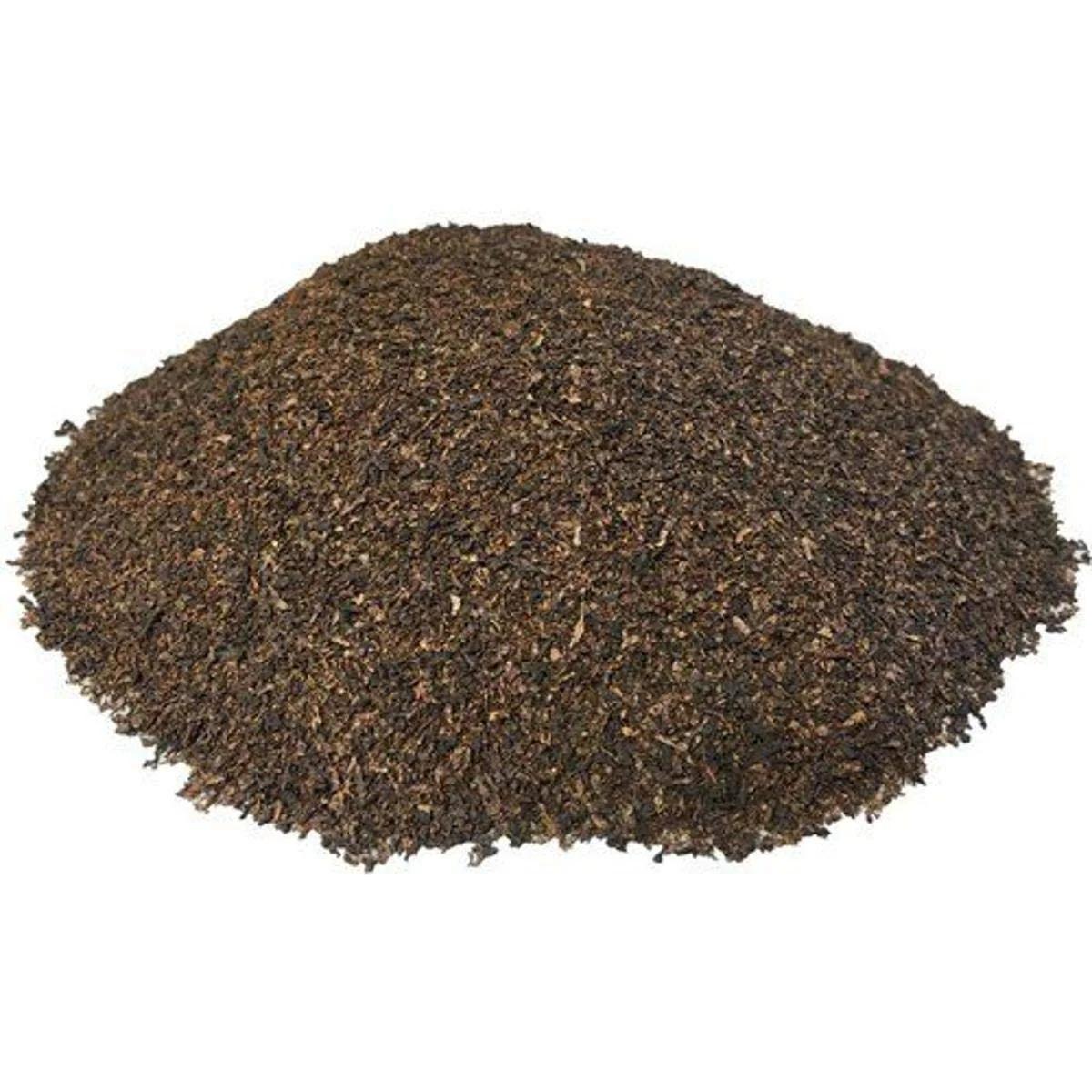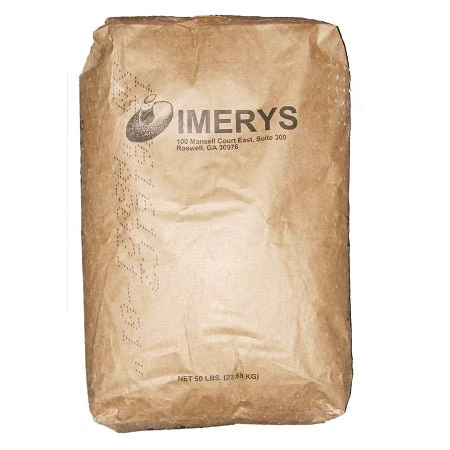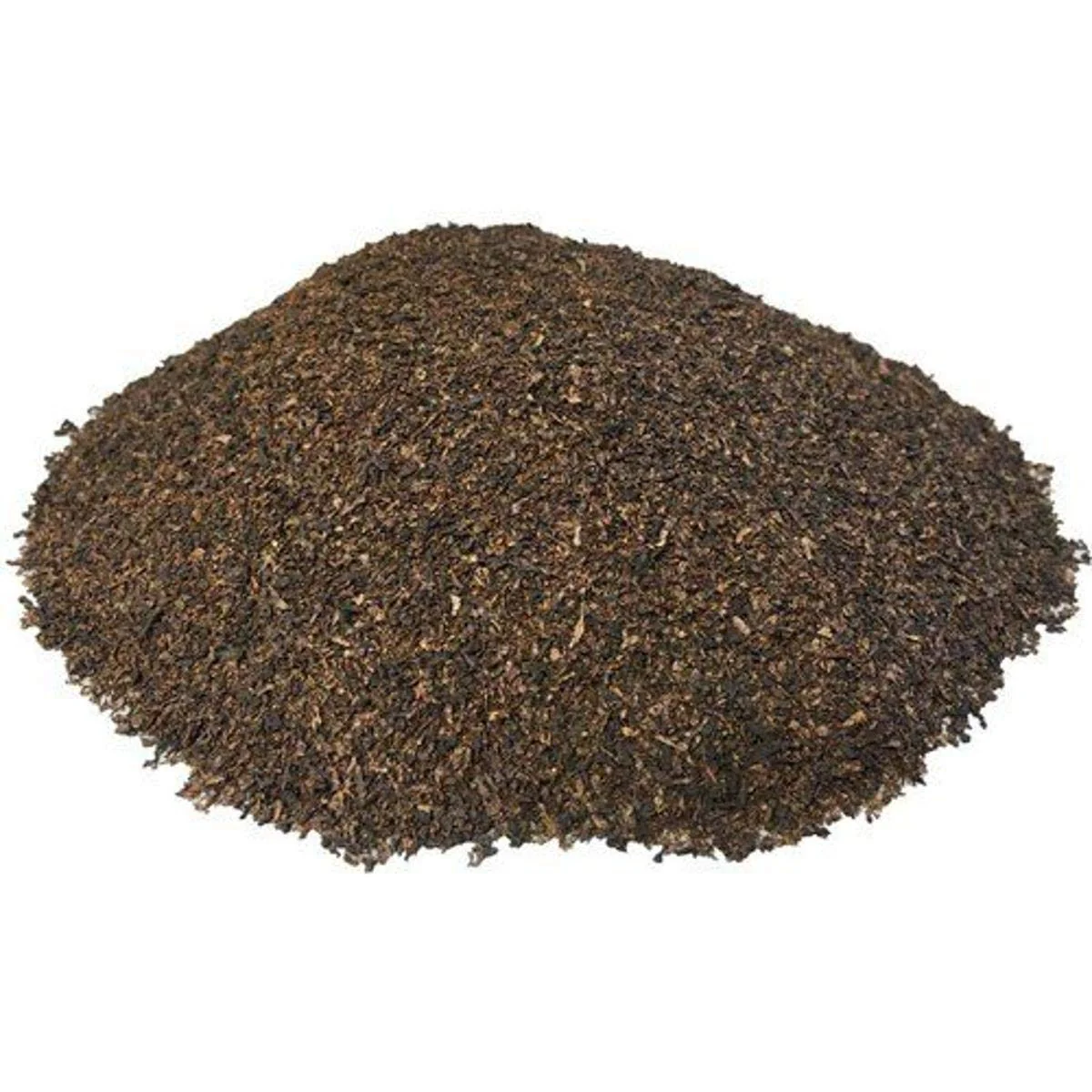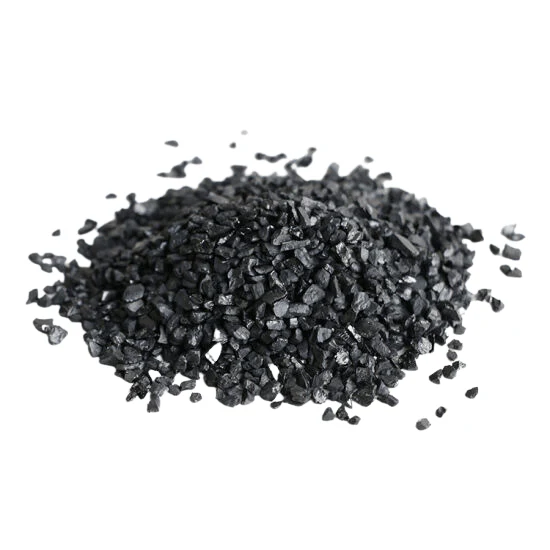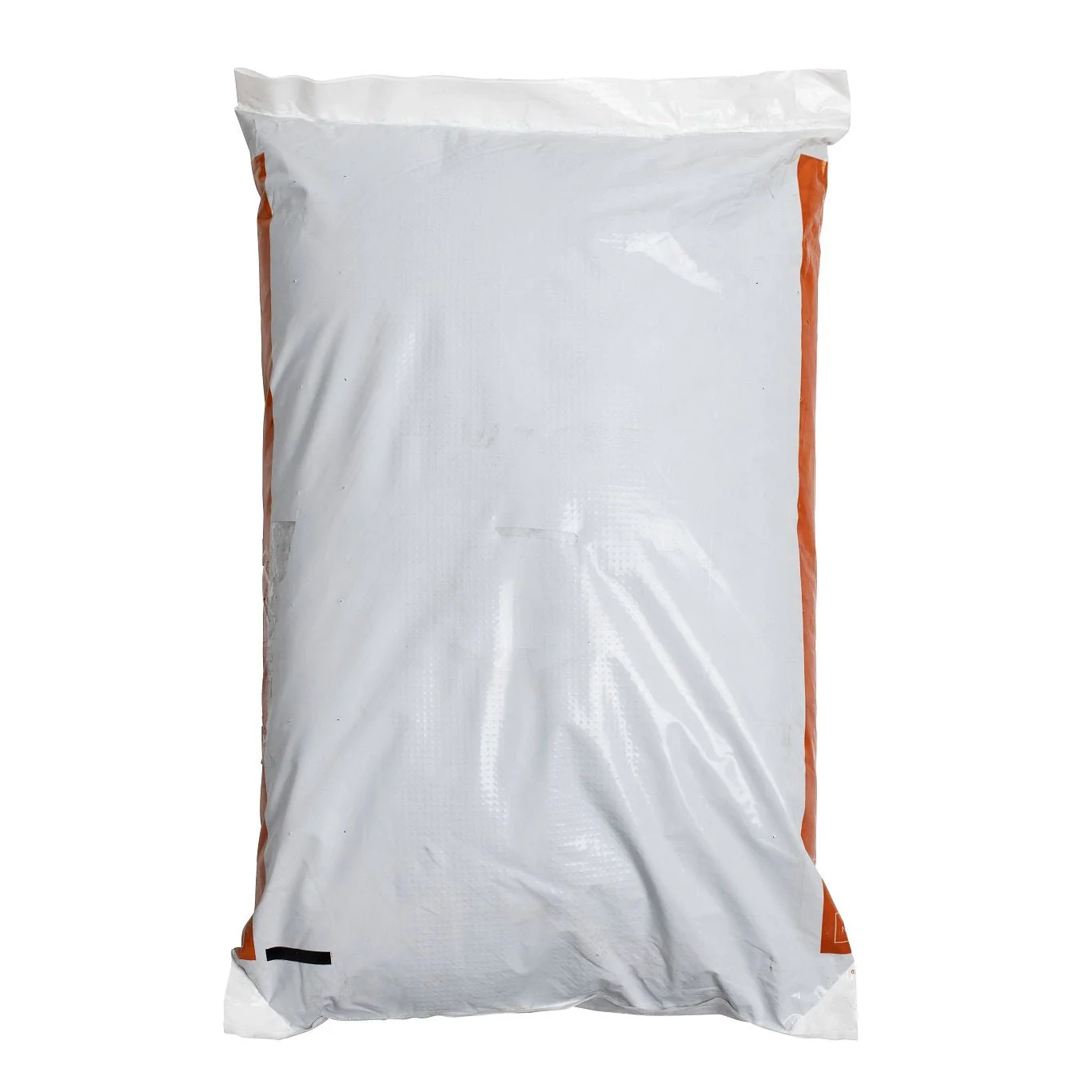
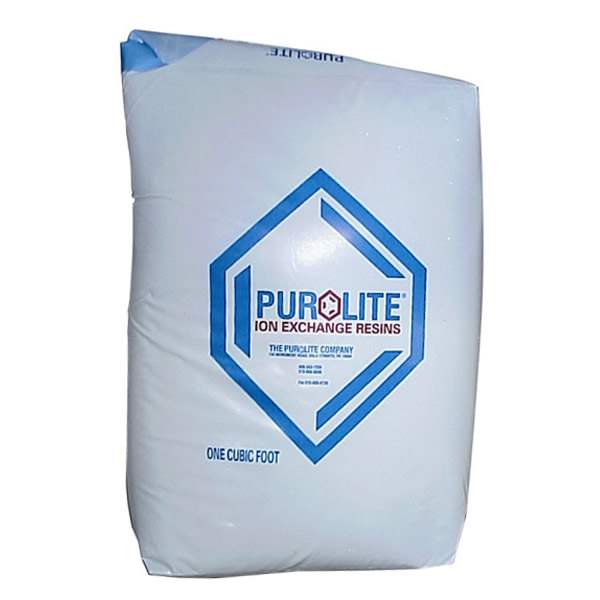
Purolite A850 Tannin Removal Resin (43 lbs) – 1 Cubic Ft Bag
Purolite A850 Acrylic Gel Anion Resin
Gel-type strong base anion exchange resin engineered for superior tannin removal, organics reduction, and exceptional fouling resistance in residential and commercial water treatment systems
Acrylic Gel Technology for Organic-Rich Water
Engineered for Tannins
Acrylic matrix with quaternary ammonium functional groups captures tannins and organic color compounds that polystyrene resins struggle with. Delivers clear, odor-free water from wells, surface sources, and organic-heavy supplies.
Superior Fouling Resistance
Gel structure resists fouling from humic acids, fulvic acids, and natural organics far better than conventional strong base resins. Maintains capacity longer between regenerations in challenging water conditions.
Efficient Regeneration
Acrylic gel matrix regenerates effectively with lower sodium hydroxide concentrations than Type 1 polystyrene resins. Reduces chemical costs and simplifies maintenance while removing carbonic acid and silica.
Mixed Bed Compatible
Combine Purolite A850 with polystyrene-based cation resins to create high-performance mixed bed systems for broader contaminant removal and polishing applications.
Uniform Bead Structure
Spherical beads with uniformity coefficient under 1.7 and particle size range 300–1200 μm ensure consistent flow distribution, minimal pressure drop, and reliable performance in all vessel configurations.
Performance Data
| Total Capacity (Chloride Form) | 1.25 eq/L (27.3 Kgr/ft³ minimum) |
| Moisture Retention | 57–62% |
| Particle Size Range | 300–1200 μm (particles <300 μm: <1%) |
| Uniformity Coefficient | <1.7 |
| Polymer Matrix | Acrylic, crosslinked with divinylbenzene |
| Functional Group | Quaternary Ammonium (Type 1) |
| Specific Gravity | 1.09 |
| Shipping Weight | 680–730 g/L (42.5–45.6 lb/ft³) |
| Irreversible Swelling (max) | 10% |
| Temperature Limit (OH⁻ Form) | 35°C (95°F) |
| Supply Form | Chloride (Cl⁻) |
Application Range
Purolite A850 resin works in residential and commercial tannin removal systems, standalone anion exchange vessels, water softener bypass configurations, and mixed bed deionization systems. Compatible with standard mineral tanks, upflow and downflow service configurations, and automatic or manual regeneration controllers. Use in wells with tannin staining, lake or river sources with organic color, and any application requiring strong base anion exchange with enhanced organic tolerance. Pairs effectively with Purolite C100E or similar gel cation resins in mixed bed setups for full demineralization and organics removal.
Regeneration Schedule
Regeneration Cycle
Regenerate with sodium hydroxide (NaOH) solution when tannin breakthrough occurs or capacity is exhausted. Acrylic gel structure allows use of lower NaOH concentrations compared to polystyrene resins.
Bed Inspection
Inspect resin bed for channeling, fouling, or bead degradation. Backwash thoroughly to reclassify bed and remove fines. Check for hardness leakage or color breakthrough indicating early regeneration need.
Resin Replacement
Replace Purolite A850 when regeneration efficiency declines, capacity drops significantly, or bead breakage becomes excessive. Lifespan depends on water chemistry, regeneration frequency, and operating temperature.
Superior Organic Removal
Acrylic gel matrix outperforms polystyrene resins in tannin-heavy water, delivering clear, odor-free results
Lower Regeneration Costs
Requires less sodium hydroxide per cycle than conventional Type 1 resins while maintaining full capacity
Proven Performance
Purolite A850 is field-tested in thousands of residential and commercial installations worldwide
Purolite A850 Acrylic Gel Anion Resin
Gel-type strong base anion exchange resin engineered for superior tannin removal, organics reduction, and exceptional fouling resistance in residential and commercial water treatment systems
Acrylic Gel Technology for Organic-Rich Water
Engineered for Tannins
Acrylic matrix with quaternary ammonium functional groups captures tannins and organic color compounds that polystyrene resins struggle with. Delivers clear, odor-free water from wells, surface sources, and organic-heavy supplies.
Superior Fouling Resistance
Gel structure resists fouling from humic acids, fulvic acids, and natural organics far better than conventional strong base resins. Maintains capacity longer between regenerations in challenging water conditions.
Efficient Regeneration
Acrylic gel matrix regenerates effectively with lower sodium hydroxide concentrations than Type 1 polystyrene resins. Reduces chemical costs and simplifies maintenance while removing carbonic acid and silica.
Mixed Bed Compatible
Combine Purolite A850 with polystyrene-based cation resins to create high-performance mixed bed systems for broader contaminant removal and polishing applications.
Uniform Bead Structure
Spherical beads with uniformity coefficient under 1.7 and particle size range 300–1200 μm ensure consistent flow distribution, minimal pressure drop, and reliable performance in all vessel configurations.
Performance Data
| Total Capacity (Chloride Form) | 1.25 eq/L (27.3 Kgr/ft³ minimum) |
| Moisture Retention | 57–62% |
| Particle Size Range | 300–1200 μm (particles <300 μm: <1%) |
| Uniformity Coefficient | <1.7 |
| Polymer Matrix | Acrylic, crosslinked with divinylbenzene |
| Functional Group | Quaternary Ammonium (Type 1) |
| Specific Gravity | 1.09 |
| Shipping Weight | 680–730 g/L (42.5–45.6 lb/ft³) |
| Irreversible Swelling (max) | 10% |
| Temperature Limit (OH⁻ Form) | 35°C (95°F) |
| Supply Form | Chloride (Cl⁻) |
Application Range
Purolite A850 resin works in residential and commercial tannin removal systems, standalone anion exchange vessels, water softener bypass configurations, and mixed bed deionization systems. Compatible with standard mineral tanks, upflow and downflow service configurations, and automatic or manual regeneration controllers. Use in wells with tannin staining, lake or river sources with organic color, and any application requiring strong base anion exchange with enhanced organic tolerance. Pairs effectively with Purolite C100E or similar gel cation resins in mixed bed setups for full demineralization and organics removal.
Regeneration Schedule
Regeneration Cycle
Regenerate with sodium hydroxide (NaOH) solution when tannin breakthrough occurs or capacity is exhausted. Acrylic gel structure allows use of lower NaOH concentrations compared to polystyrene resins.
Bed Inspection
Inspect resin bed for channeling, fouling, or bead degradation. Backwash thoroughly to reclassify bed and remove fines. Check for hardness leakage or color breakthrough indicating early regeneration need.
Resin Replacement
Replace Purolite A850 when regeneration efficiency declines, capacity drops significantly, or bead breakage becomes excessive. Lifespan depends on water chemistry, regeneration frequency, and operating temperature.
Superior Organic Removal
Acrylic gel matrix outperforms polystyrene resins in tannin-heavy water, delivering clear, odor-free results
Lower Regeneration Costs
Requires less sodium hydroxide per cycle than conventional Type 1 resins while maintaining full capacity
Proven Performance
Purolite A850 is field-tested in thousands of residential and commercial installations worldwide
Original: $1,227.74
-65%$1,227.74
$429.71Description
Purolite A850 Acrylic Gel Anion Resin
Gel-type strong base anion exchange resin engineered for superior tannin removal, organics reduction, and exceptional fouling resistance in residential and commercial water treatment systems
Acrylic Gel Technology for Organic-Rich Water
Engineered for Tannins
Acrylic matrix with quaternary ammonium functional groups captures tannins and organic color compounds that polystyrene resins struggle with. Delivers clear, odor-free water from wells, surface sources, and organic-heavy supplies.
Superior Fouling Resistance
Gel structure resists fouling from humic acids, fulvic acids, and natural organics far better than conventional strong base resins. Maintains capacity longer between regenerations in challenging water conditions.
Efficient Regeneration
Acrylic gel matrix regenerates effectively with lower sodium hydroxide concentrations than Type 1 polystyrene resins. Reduces chemical costs and simplifies maintenance while removing carbonic acid and silica.
Mixed Bed Compatible
Combine Purolite A850 with polystyrene-based cation resins to create high-performance mixed bed systems for broader contaminant removal and polishing applications.
Uniform Bead Structure
Spherical beads with uniformity coefficient under 1.7 and particle size range 300–1200 μm ensure consistent flow distribution, minimal pressure drop, and reliable performance in all vessel configurations.
Performance Data
| Total Capacity (Chloride Form) | 1.25 eq/L (27.3 Kgr/ft³ minimum) |
| Moisture Retention | 57–62% |
| Particle Size Range | 300–1200 μm (particles <300 μm: <1%) |
| Uniformity Coefficient | <1.7 |
| Polymer Matrix | Acrylic, crosslinked with divinylbenzene |
| Functional Group | Quaternary Ammonium (Type 1) |
| Specific Gravity | 1.09 |
| Shipping Weight | 680–730 g/L (42.5–45.6 lb/ft³) |
| Irreversible Swelling (max) | 10% |
| Temperature Limit (OH⁻ Form) | 35°C (95°F) |
| Supply Form | Chloride (Cl⁻) |
Application Range
Purolite A850 resin works in residential and commercial tannin removal systems, standalone anion exchange vessels, water softener bypass configurations, and mixed bed deionization systems. Compatible with standard mineral tanks, upflow and downflow service configurations, and automatic or manual regeneration controllers. Use in wells with tannin staining, lake or river sources with organic color, and any application requiring strong base anion exchange with enhanced organic tolerance. Pairs effectively with Purolite C100E or similar gel cation resins in mixed bed setups for full demineralization and organics removal.
Regeneration Schedule
Regeneration Cycle
Regenerate with sodium hydroxide (NaOH) solution when tannin breakthrough occurs or capacity is exhausted. Acrylic gel structure allows use of lower NaOH concentrations compared to polystyrene resins.
Bed Inspection
Inspect resin bed for channeling, fouling, or bead degradation. Backwash thoroughly to reclassify bed and remove fines. Check for hardness leakage or color breakthrough indicating early regeneration need.
Resin Replacement
Replace Purolite A850 when regeneration efficiency declines, capacity drops significantly, or bead breakage becomes excessive. Lifespan depends on water chemistry, regeneration frequency, and operating temperature.
Superior Organic Removal
Acrylic gel matrix outperforms polystyrene resins in tannin-heavy water, delivering clear, odor-free results
Lower Regeneration Costs
Requires less sodium hydroxide per cycle than conventional Type 1 resins while maintaining full capacity
Proven Performance
Purolite A850 is field-tested in thousands of residential and commercial installations worldwide