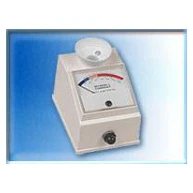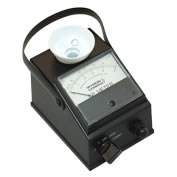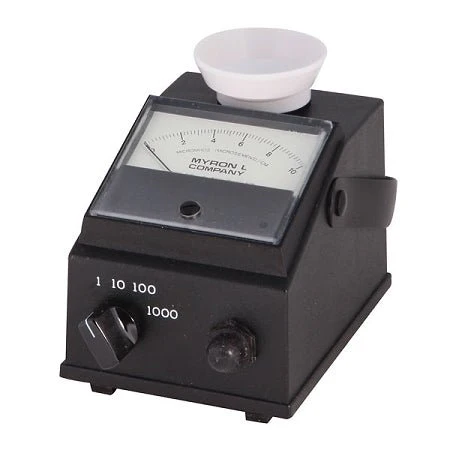
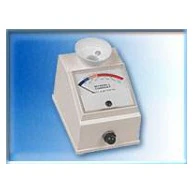
Myron L (512T5) 0-5000 PPM
Myron L 512T5 Meter Overview
Myron L 512T5 Technical Specifications
| Model Number | Myron L 512T5 |
| Measurement Range | 0-5000 ppm (parts per million) |
| Parameter Measured | Total Dissolved Solids (TDS) via electrical conductivity |
| Instrument Type | Handheld digital conductivity meter |
| Primary Application | Point-of-use RO and distillation system testing |
| Testing Capability | Before/after performance comparison, membrane evaluation |
| Ideal For | Service technicians, dealers, quality control programs |
Where the Myron L 512T5 Excels
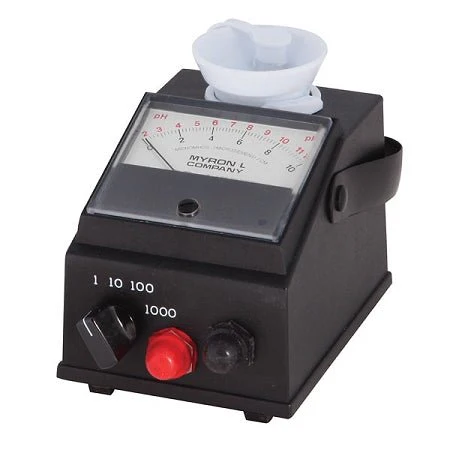
The 512T5 is purpose-built for point-of-use water treatment professionals who need to quickly demonstrate system performance to customers or verify membrane integrity during service calls. It works with all brands of reverse osmosis systems, countertop distillers, and under-sink filtration units that remove dissolved solids. The 0-5000 ppm range covers typical tap water (200-400 ppm) through high-TDS well water, while still resolving low post-RO readings (10-50 ppm) that prove effective filtration. Service technicians use the 512T5 for membrane evaluation programs, warranty validation, and before-and-after sales demonstrations. The meter measures electrical conductivity and converts it to ppm/TDS, giving instant feedback on how many dissolved minerals, salts, and contaminants remain in treated water compared to source water.
Myron L 512T5 Meter Overview
Myron L 512T5 Technical Specifications
| Model Number | Myron L 512T5 |
| Measurement Range | 0-5000 ppm (parts per million) |
| Parameter Measured | Total Dissolved Solids (TDS) via electrical conductivity |
| Instrument Type | Handheld digital conductivity meter |
| Primary Application | Point-of-use RO and distillation system testing |
| Testing Capability | Before/after performance comparison, membrane evaluation |
| Ideal For | Service technicians, dealers, quality control programs |
Where the Myron L 512T5 Excels
The 512T5 is purpose-built for point-of-use water treatment professionals who need to quickly demonstrate system performance to customers or verify membrane integrity during service calls. It works with all brands of reverse osmosis systems, countertop distillers, and under-sink filtration units that remove dissolved solids. The 0-5000 ppm range covers typical tap water (200-400 ppm) through high-TDS well water, while still resolving low post-RO readings (10-50 ppm) that prove effective filtration. Service technicians use the 512T5 for membrane evaluation programs, warranty validation, and before-and-after sales demonstrations. The meter measures electrical conductivity and converts it to ppm/TDS, giving instant feedback on how many dissolved minerals, salts, and contaminants remain in treated water compared to source water.
Description
Myron L 512T5 Meter Overview
Myron L 512T5 Technical Specifications
| Model Number | Myron L 512T5 |
| Measurement Range | 0-5000 ppm (parts per million) |
| Parameter Measured | Total Dissolved Solids (TDS) via electrical conductivity |
| Instrument Type | Handheld digital conductivity meter |
| Primary Application | Point-of-use RO and distillation system testing |
| Testing Capability | Before/after performance comparison, membrane evaluation |
| Ideal For | Service technicians, dealers, quality control programs |
Where the Myron L 512T5 Excels
The 512T5 is purpose-built for point-of-use water treatment professionals who need to quickly demonstrate system performance to customers or verify membrane integrity during service calls. It works with all brands of reverse osmosis systems, countertop distillers, and under-sink filtration units that remove dissolved solids. The 0-5000 ppm range covers typical tap water (200-400 ppm) through high-TDS well water, while still resolving low post-RO readings (10-50 ppm) that prove effective filtration. Service technicians use the 512T5 for membrane evaluation programs, warranty validation, and before-and-after sales demonstrations. The meter measures electrical conductivity and converts it to ppm/TDS, giving instant feedback on how many dissolved minerals, salts, and contaminants remain in treated water compared to source water.