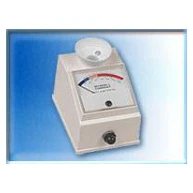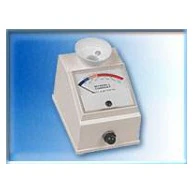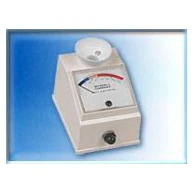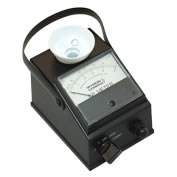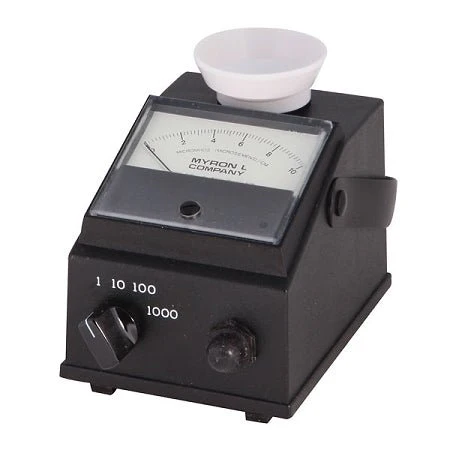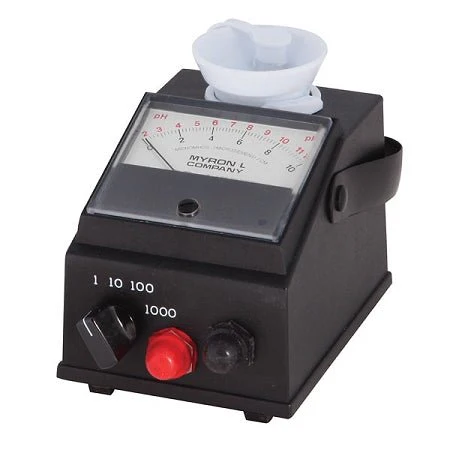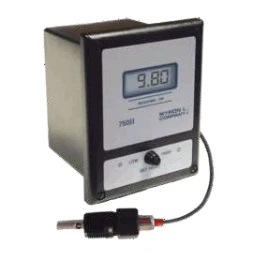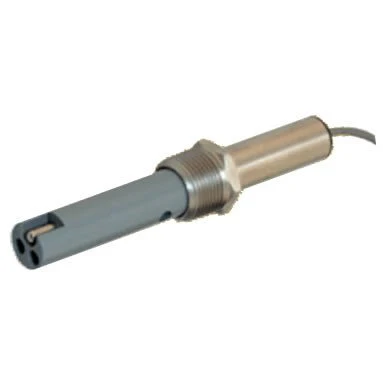
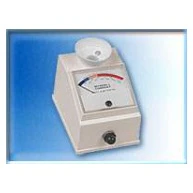
Myron L (532T2) 0-25, 250, 2500 PPM
Myron L 532T2 Technical Details
| Model Number | 532T2 |
| Measurement Type | Electrical Conductivity / TDS (PPM) |
| Measurement Ranges | 0-25 PPM, 0-250 PPM, 0-2500 PPM |
| Primary Application | RO and Distillation System Testing |
| Form Factor | Compact Handheld |
| Best For | POU System Demonstrations, Membrane Evaluation |
| Manufacturer | Myron L |
How to Test with the 532T2
- Take a sample of source water before it enters the RO or distillation system and measure TDS using the appropriate range scale (typically 0-250 or 0-2500 PPM).
- Take a sample of treated water after the system and measure TDS using the 0-25 or 0-250 PPM range depending on system efficiency.
- Compare readings to calculate percent removal and demonstrate system effectiveness. A properly functioning RO system should show 90-98% TDS reduction.
- Use the meter regularly to monitor membrane condition and schedule replacement when rejection rates decline below acceptable levels.
System Applications
The Myron L 532T2 works with all point-of-use reverse osmosis systems, distillation units, and deionization systems where total dissolved solids measurement is required. It is particularly effective for service technicians conducting membrane evaluations, retail stores demonstrating water quality improvements, and homeowners monitoring their own system performance. The three-range capability makes it versatile enough to test both high-TDS source water and low-TDS product water without switching instruments.
Myron L 532T2 Technical Details
| Model Number | 532T2 |
| Measurement Type | Electrical Conductivity / TDS (PPM) |
| Measurement Ranges | 0-25 PPM, 0-250 PPM, 0-2500 PPM |
| Primary Application | RO and Distillation System Testing |
| Form Factor | Compact Handheld |
| Best For | POU System Demonstrations, Membrane Evaluation |
| Manufacturer | Myron L |
How to Test with the 532T2
- Take a sample of source water before it enters the RO or distillation system and measure TDS using the appropriate range scale (typically 0-250 or 0-2500 PPM).
- Take a sample of treated water after the system and measure TDS using the 0-25 or 0-250 PPM range depending on system efficiency.
- Compare readings to calculate percent removal and demonstrate system effectiveness. A properly functioning RO system should show 90-98% TDS reduction.
- Use the meter regularly to monitor membrane condition and schedule replacement when rejection rates decline below acceptable levels.
System Applications
The Myron L 532T2 works with all point-of-use reverse osmosis systems, distillation units, and deionization systems where total dissolved solids measurement is required. It is particularly effective for service technicians conducting membrane evaluations, retail stores demonstrating water quality improvements, and homeowners monitoring their own system performance. The three-range capability makes it versatile enough to test both high-TDS source water and low-TDS product water without switching instruments.
Description
Myron L 532T2 Technical Details
| Model Number | 532T2 |
| Measurement Type | Electrical Conductivity / TDS (PPM) |
| Measurement Ranges | 0-25 PPM, 0-250 PPM, 0-2500 PPM |
| Primary Application | RO and Distillation System Testing |
| Form Factor | Compact Handheld |
| Best For | POU System Demonstrations, Membrane Evaluation |
| Manufacturer | Myron L |
How to Test with the 532T2
- Take a sample of source water before it enters the RO or distillation system and measure TDS using the appropriate range scale (typically 0-250 or 0-2500 PPM).
- Take a sample of treated water after the system and measure TDS using the 0-25 or 0-250 PPM range depending on system efficiency.
- Compare readings to calculate percent removal and demonstrate system effectiveness. A properly functioning RO system should show 90-98% TDS reduction.
- Use the meter regularly to monitor membrane condition and schedule replacement when rejection rates decline below acceptable levels.
System Applications
The Myron L 532T2 works with all point-of-use reverse osmosis systems, distillation units, and deionization systems where total dissolved solids measurement is required. It is particularly effective for service technicians conducting membrane evaluations, retail stores demonstrating water quality improvements, and homeowners monitoring their own system performance. The three-range capability makes it versatile enough to test both high-TDS source water and low-TDS product water without switching instruments.