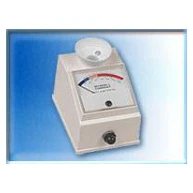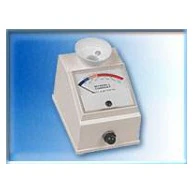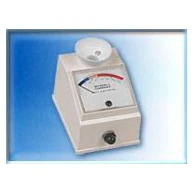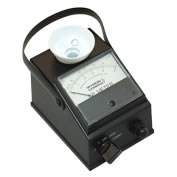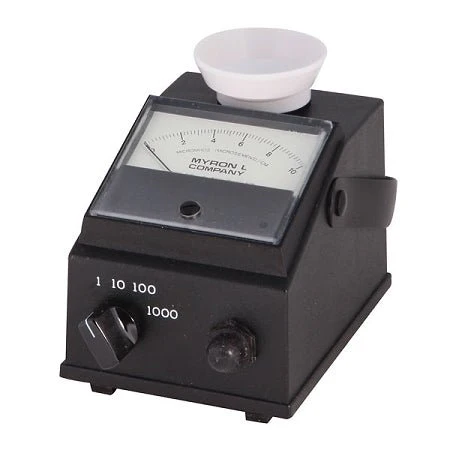
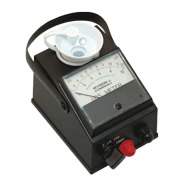
Myron L (RO-1) 0-1250 PPM (Red-Blue Color Display)
Myron L RO-1 Technical Details
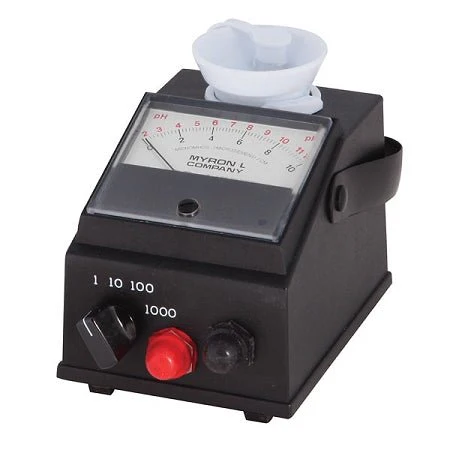
| Model Number | Myron L RO-1 |
| Measurement Range | 0–1,250 ppm (TDS) |
| Measurement Method | Electrical Conductivity |
| Display Type | Red-Blue Color Scale |
| Primary Application | RO and Distillation System Testing |
| Use Case | POU Demonstration, Membrane Evaluation |
| Form Factor | Compact Handheld |
| Manufacturer | Myron L Company |
How to Test Your RO or Distillation System
- Collect a sample of untreated source water before it enters your reverse osmosis or distillation system
- Immerse the RO-1 sensor in the source water sample and read the ppm/TDS value on the red-blue color scale
- Collect a sample of treated water from your system output and test again with the RO-1
- Compare the before-and-after readings to verify dissolved solids reduction and membrane performance
Ideal Applications for the Myron L RO-1
The RO-1 works with any point-of-use reverse osmosis system or distillation unit where Total Dissolved Solids measurement is needed. It's particularly effective for residential under-sink RO systems, countertop distillers, and small commercial applications. Use it for customer demonstrations, routine service calls, or membrane replacement decisions. The 0–1,250 ppm range covers most tap water sources and treated outputs, making it a practical tool for installers, service technicians, and quality-conscious homeowners.
Myron L RO-1 Technical Details
| Model Number | Myron L RO-1 |
| Measurement Range | 0–1,250 ppm (TDS) |
| Measurement Method | Electrical Conductivity |
| Display Type | Red-Blue Color Scale |
| Primary Application | RO and Distillation System Testing |
| Use Case | POU Demonstration, Membrane Evaluation |
| Form Factor | Compact Handheld |
| Manufacturer | Myron L Company |
How to Test Your RO or Distillation System
- Collect a sample of untreated source water before it enters your reverse osmosis or distillation system
- Immerse the RO-1 sensor in the source water sample and read the ppm/TDS value on the red-blue color scale
- Collect a sample of treated water from your system output and test again with the RO-1
- Compare the before-and-after readings to verify dissolved solids reduction and membrane performance
Ideal Applications for the Myron L RO-1
The RO-1 works with any point-of-use reverse osmosis system or distillation unit where Total Dissolved Solids measurement is needed. It's particularly effective for residential under-sink RO systems, countertop distillers, and small commercial applications. Use it for customer demonstrations, routine service calls, or membrane replacement decisions. The 0–1,250 ppm range covers most tap water sources and treated outputs, making it a practical tool for installers, service technicians, and quality-conscious homeowners.
Description
Myron L RO-1 Technical Details
| Model Number | Myron L RO-1 |
| Measurement Range | 0–1,250 ppm (TDS) |
| Measurement Method | Electrical Conductivity |
| Display Type | Red-Blue Color Scale |
| Primary Application | RO and Distillation System Testing |
| Use Case | POU Demonstration, Membrane Evaluation |
| Form Factor | Compact Handheld |
| Manufacturer | Myron L Company |
How to Test Your RO or Distillation System
- Collect a sample of untreated source water before it enters your reverse osmosis or distillation system
- Immerse the RO-1 sensor in the source water sample and read the ppm/TDS value on the red-blue color scale
- Collect a sample of treated water from your system output and test again with the RO-1
- Compare the before-and-after readings to verify dissolved solids reduction and membrane performance
Ideal Applications for the Myron L RO-1
The RO-1 works with any point-of-use reverse osmosis system or distillation unit where Total Dissolved Solids measurement is needed. It's particularly effective for residential under-sink RO systems, countertop distillers, and small commercial applications. Use it for customer demonstrations, routine service calls, or membrane replacement decisions. The 0–1,250 ppm range covers most tap water sources and treated outputs, making it a practical tool for installers, service technicians, and quality-conscious homeowners.